

Service desk analytics: reassignment rate and SLA risk
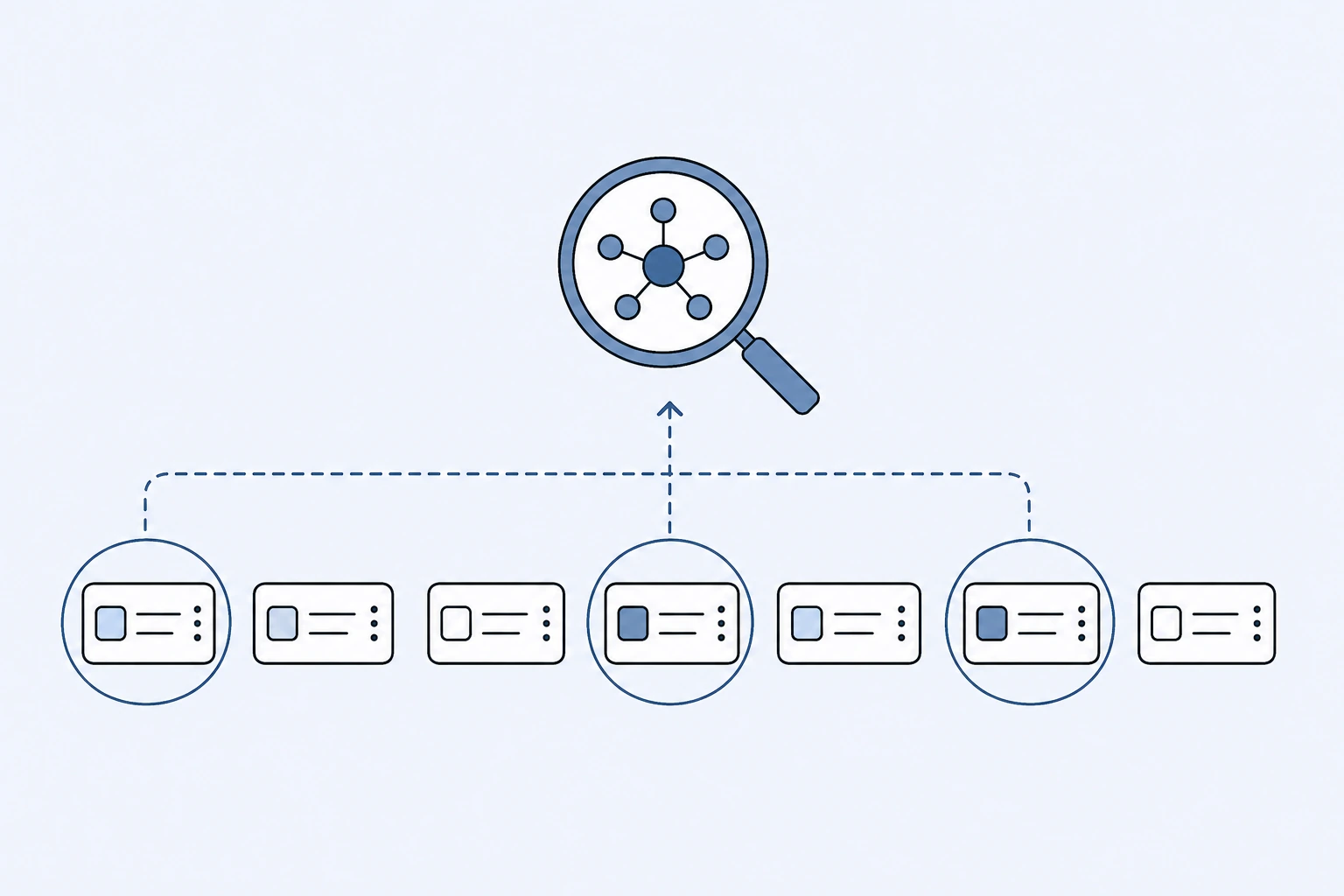
Service desk analytics should treat reassignment rate as a leading signal, not a secondary metric. Every additional handoff increases waiting time, context loss, and the risk that SLAs will fail for structural reasons rather than volume alone.
Teams that track reassignment by queue boundary can identify where support design is creating friction. That usually leads to better triage rules, clearer service ownership, and a faster route to stable SLA performance.
Why reassignment predicts SLA failure
Every reassignment is a small admission that the ticket did not land with the right owner. One reassignment may be harmless. Repeated reassignment across the same categories is usually a structural problem.
The reason this matters for service desk analytics is simple: SLA clocks do not care why ownership was unclear. The clock keeps running while teams decide who should act. By the time the breach appears in a dashboard, the operational cause has already been buried inside handoffs.
Reassignment rate is therefore not just a count. It is a proxy for unclear routing, weak categorisation, queue ownership gaps, and knowledge that is not available at the first line.
What the export should show
A useful reassignment analysis needs ticket IDs, opened and resolved timestamps, assignment group changes, priorities, categories, and status history. The important pattern is not only the number of reassignments; it is where they happen.
Look for:
- categories with high first-touch failure
- assignment groups that receive many tickets and forward most of them
- handoff pairs that repeat every week
- tickets that age before the first meaningful ownership change
- priority classes where reassignment predicts breach risk
This is where ITSM bottleneck analysis and reassignment analysis overlap. A queue can look efficient if you only measure its own handling time, while still being part of a handoff loop that damages the customer experience.
How to turn reassignment into action
Reassignment only helps leadership if it becomes a decision. The common actions are:
- Routing fixes: update assignment rules for categories that repeatedly land in the wrong group.
- Ownership fixes: make one group accountable for ambiguous service boundaries.
- Knowledge fixes: create first-line resolution guidance for repeated avoidable escalations.
- Automation fixes: auto-classify or enrich tickets where the same context is repeatedly missing.
- Governance fixes: review handoff loops weekly until the pattern falls.
The strongest candidates are patterns with high volume and a clear fix. A rare reassignment path may be annoying but not worth leadership attention. A recurring handoff between two groups on high-volume categories is different. That can become a funded 90-day action.
How to report it to executives
Avoid showing a table with every reassigned ticket. Executives need a ranked view:
- the category or service family
- the handoff pattern
- the current volume and delay signal
- the accountable owner
- the recommended intervention
- the expected effect
This is also why the best ITSM reporting tools for leaders page argues that reporting is only useful when it leads to decisions. Reassignment rate should not sit alone as a KPI. It should explain where ownership breaks and what to change.
What good looks like
Good reassignment analysis does not aim for zero reassignments. Complex services will always need escalation. The goal is to remove avoidable handoffs and make necessary handoffs explicit.
If a ticket needs specialist ownership, it should get there quickly. If a ticket can be resolved at first line with better context, it should not bounce through three groups first. If a category is unclear, the taxonomy should be repaired.
That is how reassignment rate becomes a leading indicator instead of a retrospective complaint.