

Incident management analytics for recurring incidents
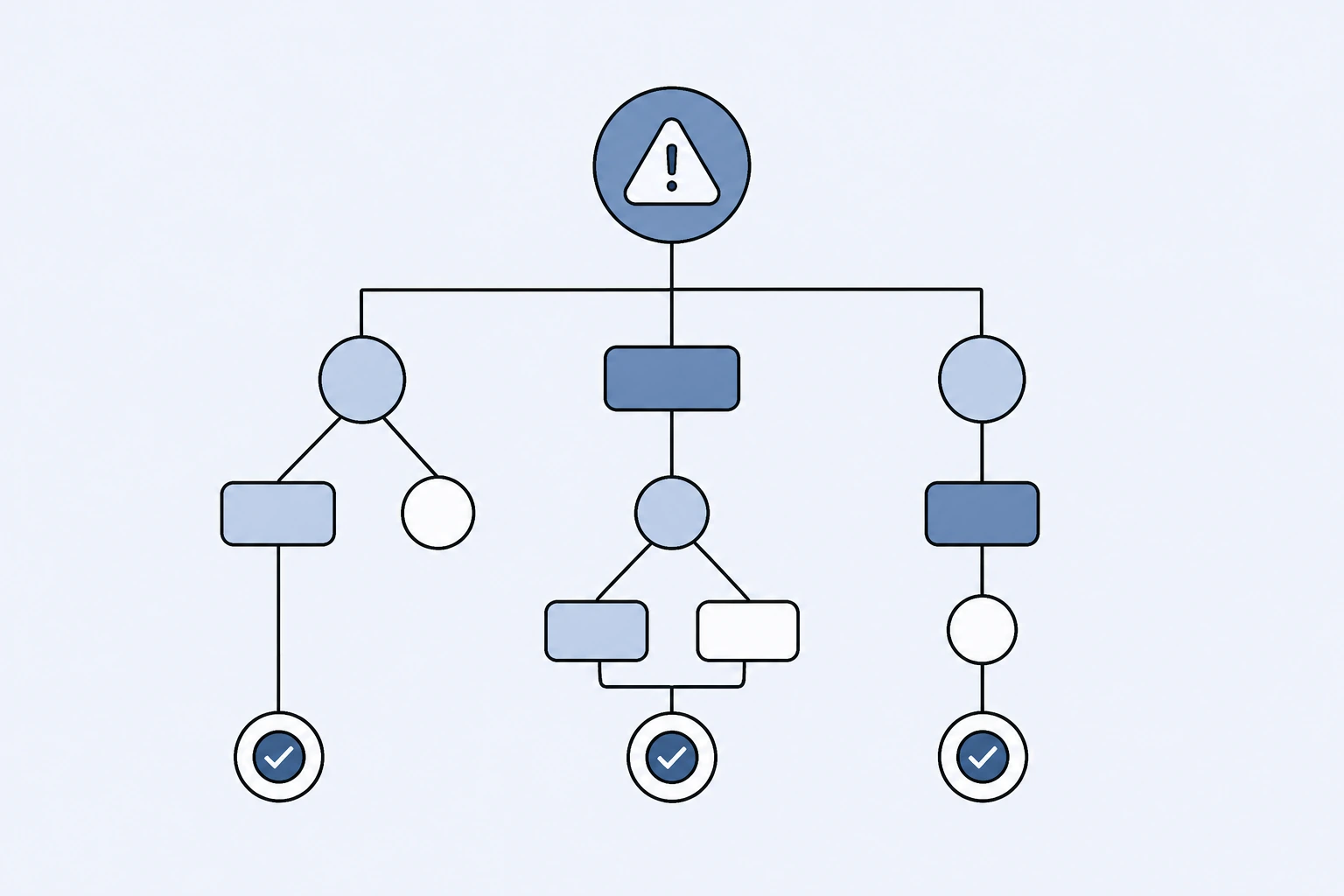
Incident management analytics should not trap recurring incidents inside operational reporting. They are evidence that demand patterns are repeatable and that prevention work can be prioritized with far more confidence than teams usually assume.
When repeated tickets are grouped by theme, impact, and affected service area, problem management becomes measurable. That creates a better bridge between frontline operations, knowledge work, and structural improvement.
Why recurring incidents stay invisible
Most teams know they have recurring incidents, but they rarely have a clean list of which ones deserve problem-management attention. The signal is scattered across short descriptions, categories, assignment groups, resolution notes, and reopened tickets.
Volume alone is not enough. A repeated password issue may be easy to automate, while a lower-volume application outage pattern may deserve a formal problem record. Incident management analytics becomes useful when it separates repeated demand into prevention, automation, and investigation lanes.
The data needed for pattern clustering
Start with a clean incident export. The minimum useful fields are ticket ID, opened and resolved timestamps, priority, category, assignment group, short description, resolution notes, and close code. Related incident or parent problem fields are helpful but not required.
The analysis should group incidents by repeated operational signatures:
- similar short descriptions
- repeated affected service or CI family
- repeated assignment group
- common resolution notes
- reopen or duplicate patterns
- age and SLA impact
The goal is not perfect machine classification. The goal is a defensible shortlist that a problem manager, service owner, or Head of ITSM can review quickly.
Prevention, automation, or auto-resolution
Recurring incidents usually fall into three action lanes.
Prevention is right when the demand can be removed at the source. Examples include recurring access failures caused by a broken joiner process, repeated device issues caused by a standard build defect, or application incidents caused by a known configuration gap.
Automation is right when human triage is repetitive but judgement is still needed somewhere in the process. Examples include enrichment, classification, routing, and evidence gathering.
Auto-resolution is right only when the pattern is stable, low risk, and already handled manually in the same way each time. This is the smallest but often most visible lane.
The root cause analysis for ITSM page uses this same logic: the RCA is only valuable when it leads to an owner, an intervention, and a measurable next step.
What the decision pack should include
A problem-management decision pack should not list every repeated issue. It should rank the top opportunities by impact and confidence:
- repeated pattern name
- evidence from source tickets
- affected groups or services
- estimated volume and delay signal
- recommended action lane
- accountable owner
- 90-day target
This format helps leadership fund prevention work because the recommendation is tied to ticket evidence, not opinion. It also protects the team from over-automating low-confidence patterns.
How to use this in a 90-day plan
The first 30 days should focus on validating the top patterns and assigning owners. The next 30 days should remove the simplest repeat demand through routing, knowledge, or process fixes. The final 30 days should track whether volume, age, and reassignment actually fall.
For teams evaluating tools, the best ITSM analytics software alternatives page explains the distinction: dashboards show repeated demand, but the missing value is usually prioritization. A Diagnostic Sprint should hand back the ranked backlog, not another place to look at charts.
Recurring incidents become problem-management wins when the pattern is clear, the owner is explicit, and the next action is small enough to start this quarter.